United Nations human rights experts have called on the Indian government to immediately stop the use of excessive force against protesters and launch an impartial investigation into the conduct of authorities following the crackdown on opposition and student protests in the country.
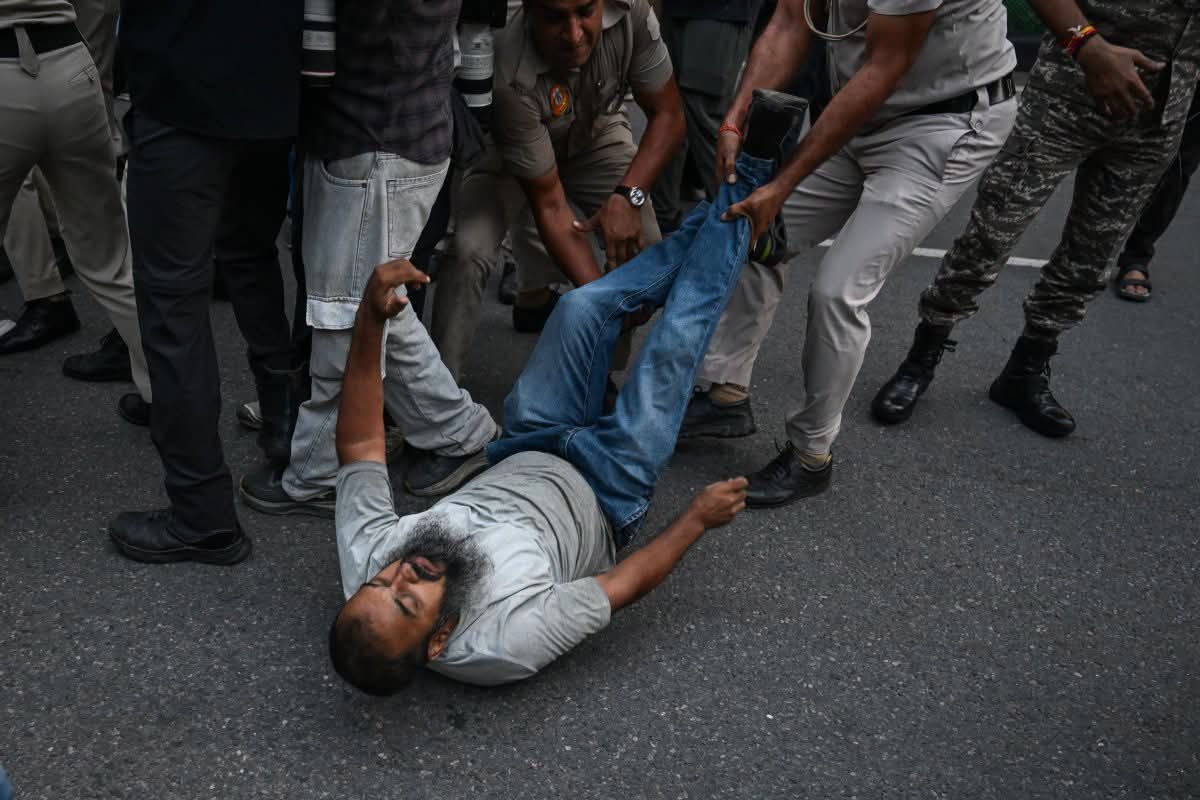
In a statement issued on October 20, around two dozen independent experts expressed concern over reports that protesters had sustained injuries and that some had been subjected to ill-treatment. They also voiced particular concern about reports of sexual violence and other forms of gender-based abuse during protests and related detentions.
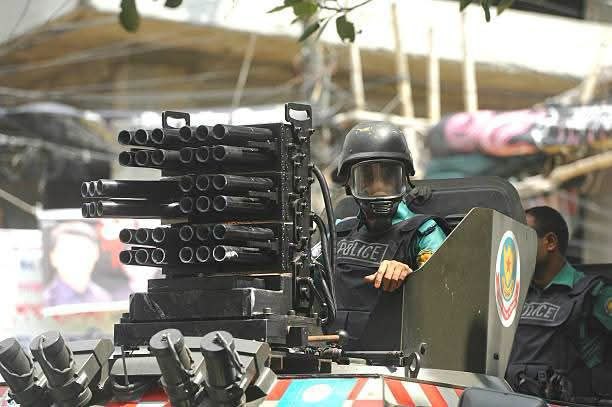
According to the UN experts, reports have emerged that police used batons to disperse unarmed students during peaceful demonstrations. Thousands of people were also reportedly prevented from participating in the protests.
The experts urged the authorities to immediately cease the use of excessive force, lift blanket bans on public assemblies, refrain from misusing digital surveillance technologies—including systems that use biometric data—and avoid disrupting internet services.
In India, the Cockroach Janta Party (CJP), along with other opposition parties and student organisations, led protests this month demanding the resignation of Chief Election Commissioner Gyanesh Kumar. The demonstrations followed the removal of 130 million names from voter lists.
The protesting groups alleged that the removal of names disproportionately affected poor and homeless people, as well as minority communities, including Muslims. They argued that these groups were less likely to vote for Prime Minister Narendra Modi’s Hindu nationalist Bharatiya Janata Party (BJP).
However, the BJP and India’s Election Commission have denied the allegations. The Election Commission said it was removing duplicate entries, deceased voters, people who had moved away and other ineligible voters. It also stated that anyone mistakenly removed from the list could file an appeal.
UN human rights experts are appointed by the UN Human Rights Council to monitor and document specific human rights situations. However, they operate independently and are not directly subordinate to the United Nations as an organisation.
The Indian government has repeatedly rejected international criticism, describing it as interference in the country’s internal affairs. Earlier this month, India responded similarly after the UN human rights office expressed concern over mass detentions linked to the latest protests.
Source: Al Jazeera