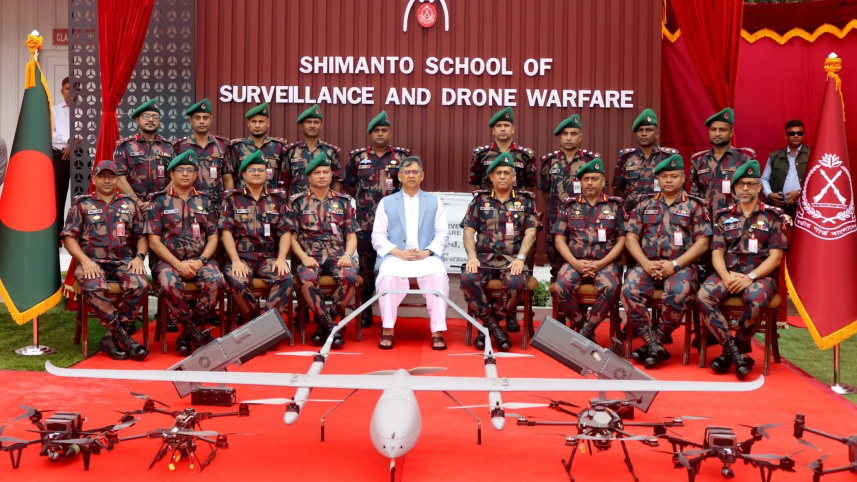
Bangladesh has opened its first border surveillance and drone warfare school in Sylhet to strengthen digital monitoring of border areas and enhance the use of drones for security and military operations.
Home Minister Salahuddin Ahmed inaugurated the “Shimanto School of Surveillance and Drone Warfare” on Tuesday at the Sylhet sector headquarters of the Border Guard Bangladesh (BGB).
The school will train BGB personnel to operate advanced drones equipped with thermal imaging and night-vision systems, the home minister said.
He said digital surveillance systems would be expanded along the border to prevent and detect smuggling, drug and arms trafficking, human trafficking and illegal border crossings.
During the inauguration ceremony, Salahuddin observed training activities, a practical drone demonstration and a drill. He described the initiative as a significant development in the history of the BGB and said digital technology was being expanded across security forces and government institutions.
According to the minister, drones equipped with night-vision and thermal imaging technology will be deployed in remote border areas where manual surveillance is difficult. The technology will help identify people across the border and detect suspected smuggling activities.
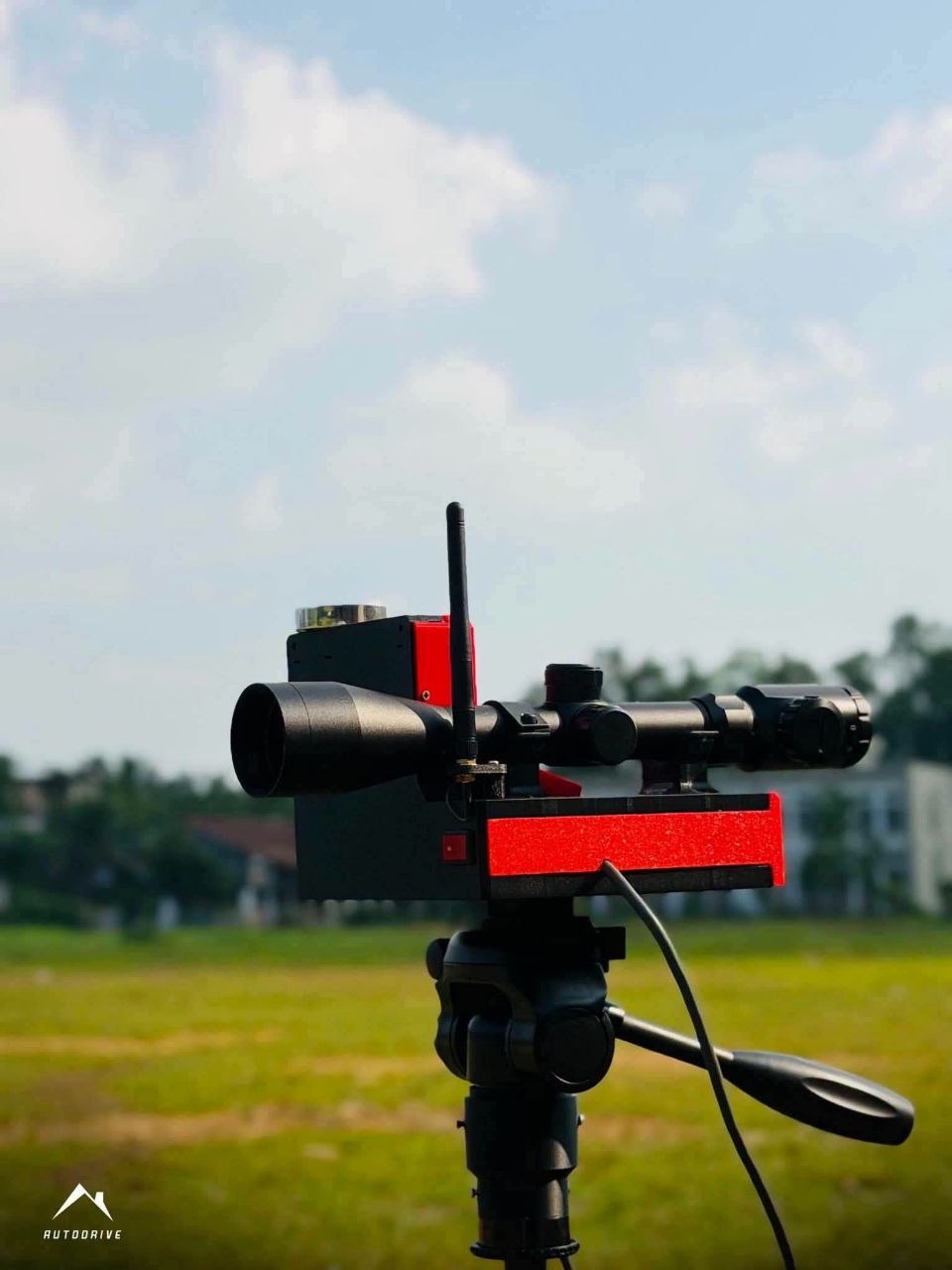
Salahuddin also said the BGB was assembling and manufacturing its own drones, which could eventually develop into a domestic defence industry. The force plans to expand drone capabilities so that border areas can be monitored from outposts, headquarters and regional command centres.
The drones could also be used for disaster response, relief and rescue operations in remote areas. BGB personnel have already used drones for such purposes, he said.
Referring to the advanced drones displayed at the training centre, Salahuddin said Bangladesh would seek to acquire more advanced models from around the world within the next one to two years.
The training programme is currently designed for security force personnel. However, civilians could be allowed to participate in the future depending on requirements and available opportunities, the minister added.
Source: Bangladesh Media