The US government’s sanctions program, dubbed “Economic D-Day” and aimed at increasing economic pressure on Iran, has been criticized as falling short of expectations that had been raised ahead of its announcement.
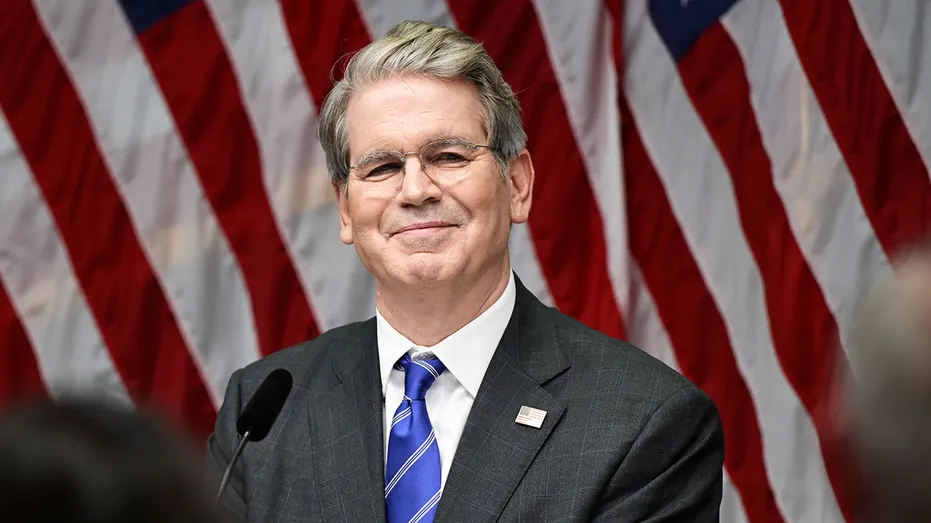
US Treasury Secretary Scott Bessent on August 24 blacklisted nearly 60 entities linked to Iran and expanded the range of business activities that could expose foreign companies to future US sanctions.
The sanctions target shadow-fleet operators involved in Iran’s oil exports, shipping companies and procurement networks supporting Iran’s missile and nuclear programs.
The US Treasury Department also warned that entities conducting financial or business transactions with Iran in sectors including shipping, aviation, technology, gold and digital assets could lose access to the US financial system.
However, Tom Keatinge, director of the Centre for Finance and Security at the Royal United Services Institute, said that if the US government wanted to take stronger measures matching its rhetoric, it could target a major financial institution in China or the United Arab Emirates (UAE) with financial links to the Iranian government.
China accounts for around 90 percent of Iran’s oil exports, generating approximately $43 billion in oil revenue for Iran in 2024, according to available data.
Meanwhile, a US Treasury Department report found that $8.6 billion in Iran-linked financial flows moved through the UAE and other financial hubs in Asia during 2024.
Bessent has said he expects a “major financial institution” to be sanctioned before the end of this week. However, it remains unclear which institution could be targeted.
Sanctioning a major financial institution in China or the UAE could force those countries to choose between maintaining cooperation with Iran and preserving their access to the US dollar-based financial system.
At the same time, however, such a move could prompt China to retaliate through restrictions on rare-earth exports, further strain US-China relations and potentially damage Washington’s relationship with a key Gulf ally.
The UAE, one of Iran’s important commercial and financial gateways, has already signaled its willingness to restrict trade and financial ties with Tehran. However, effective sanctions enforcement would require UAE banks to identify the beneficial owners of shell companies that conceal their links to the Iranian government.
Such measures could affect Dubai’s position as a global financial hub, making it unlikely that the UAE would readily agree to such stringent action, analysts say.
Meanwhile, US military measures aimed at restricting Iran’s oil revenues have already had a significant impact. According to ship-tracking company Kpler, no supertankers carrying Iranian crude have been visibly crossing the Strait of Hormuz since mid-July.
With major pressure on Iran’s oil revenues already being exerted through other means, the US decision not to immediately pursue more aggressive economic sanctions could raise questions about the actual purpose and effectiveness of the so-called “Economic D-Day.”
Ref: Reuters