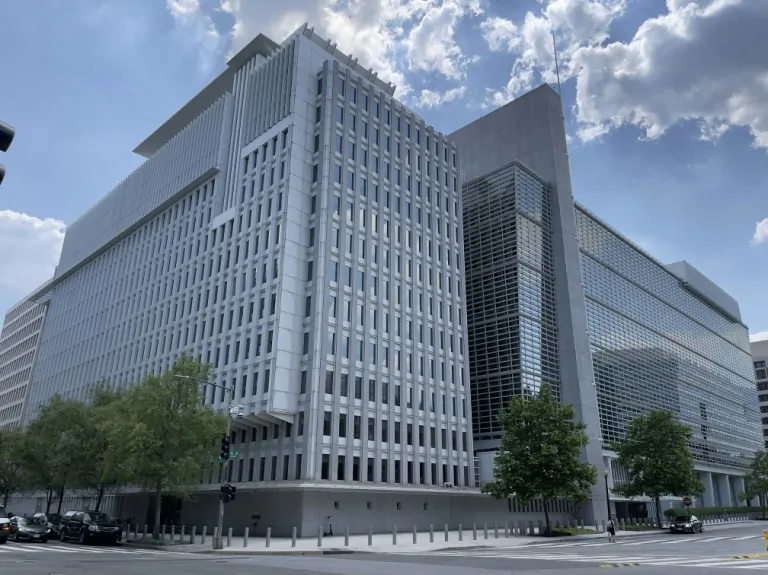
The World Bank has signed an agreement with the Bangladesh government to provide a $300 million loan to support food security in Bangladesh, according to reports.
The financing will be used under the “Emergency Support for Food Security Project”, with the aim of protecting Bangladesh’s rice production from disruptions caused by instability in international fertilizer supplies and prices amid conflicts in the Middle East.
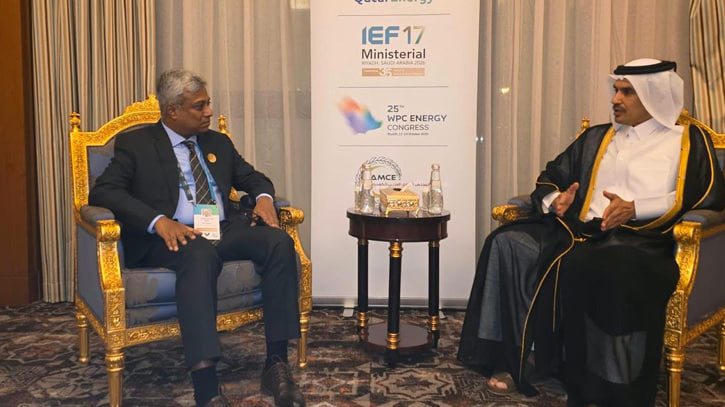
On October 5, Md Shahriar Kader Siddiky, Secretary of Bangladesh’s Economic Relations Division (ERD) under the Ministry of Finance, and Jean Pesme, World Bank Country Director for Bangladesh and Bhutan, signed the agreement on behalf of their respective sides.
The loan amounts to 219.2 million Special Drawing Rights (SDR), equivalent to approximately $300 million. The loan carries an annual interest rate of 1.5 percent and has a repayment period of 25 years, including a five-year grace period.
Under the project, financing will be provided to import 600,000 tonnes of fertilizer, which is expected to support approximately 1.4 million hectares of rice cultivation. Around 3 million small and medium-scale farmers are expected to benefit from the project, according to the World Bank.
Bangladesh imports more than 85 percent of its annual fertilizer requirements, making the country highly vulnerable to disruptions in international supply chains. In addition, shortages of natural gas have forced some domestic fertilizer plants to suspend production, further increasing the country’s dependence on imports, according to reports.
According to the World Bank, Bangladesh’s Aman and Boro rice-growing seasons account for around 90 percent of the country’s total rice production. If fertilizer is not available on time during these seasons, farmers may reduce fertilizer use or delay planting, potentially resulting in lower rice yields and higher prices.
The World Bank also estimates that a 10 percent increase in rice prices could push approximately 1.4 million additional people into poverty. Therefore, maintaining a stable fertilizer supply is not only important for the agricultural sector but could also have a direct impact on food prices and basic living conditions.
In June this year, the World Bank approved a total of $1.1 billion in emergency support for Bangladesh, including the $300 million food security project and a $713 million emergency response project.
The $300 million project will be implemented from July 1, 2026, to June 30, 2027. Bangladesh’s Finance Division will coordinate implementation, while the Bangladesh Chemical Industries Corporation (BCIC) will be responsible for importing urea fertilizer, and the Bangladesh Agricultural Development Corporation (BADC) will oversee the import of non-urea fertilizers.
Source: New Age BD, BSS
World Bank Provides $300 Million Loan for Food Security in Bangladesh
S
Sumaiya Akter
October 6, 2026 · 3 min read